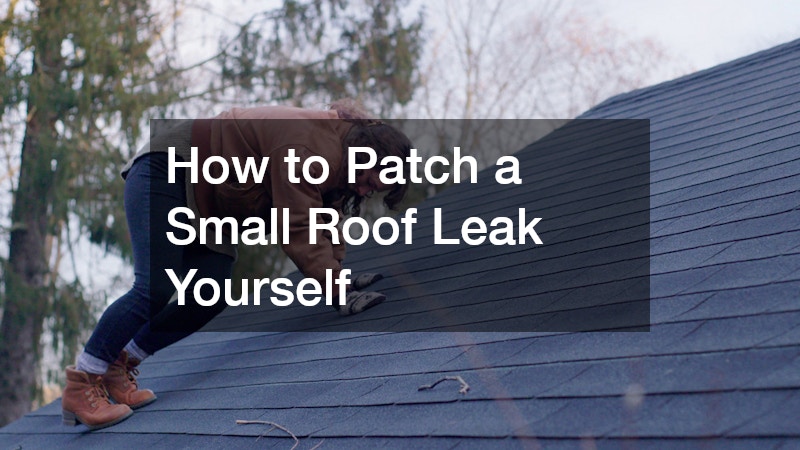
Understanding how to patch a small roof leak can prevent structural damage and significant repair costs. A small leak, if left unattended, can lead to much larger issues such as mold growth or structural integrity problems. Fortunately, with a bit of knowledge and the right skills, many homeowners can address these minor issues without professional intervention. This article will guide you through essential steps and considerations in handling minor leaks by yourself. Not only will this save you money, but it will also give you confidence when caring for one of the most critical components of your home.
Patience and diligence are vital when it comes to dealing with roof leaks. Addressing a leak early means less need for severe repair measures down the line. Homeowners who are vigilant about their roof’s condition often enjoy fewer unexpected challenges, shaping a consistent approach to home maintenance. Moreover, for those who take pride in DIY projects, patching a roof leak can be rewarding work. While not all leaks can be fixed by homeowners, having the ability to differentiate between a small and larger problem is invaluable.
This guide will also emphasize safety, a crucial factor often underestimated in DIY projects. Roof work, while essential, poses specific risks that need careful consideration. Proper attire and equipment become indispensable when working at heights to prevent falls and injuries. Understanding your limitations and knowing when to call in a professional is a significant part of the DIY experience. Overall, an educated and cautious approach can lead to effective, safe, and satisfying roof leak repairs.
1. How do I locate the source of the leak?
a. Inspect Interior Signs
The first step in locating a roof leak involves inspecting your home’s interior. Scan your ceilings and walls for discolored patches, which could indicate water intrusion. Observe any bubbling paint or wallpaper, as these are telltale signs of water damage. A damp attic or musty smell can further signify a potential leak. Conducting thorough inspections regularly can prevent leaks from developing into bigger problems.
b. Examine Roof Surface
Getting up on the roof for a physical inspection can reveal missing or damaged shingles. Look for areas where the roofing material has deteriorated or where debris, such as leaves or moss, has built up. These conditions could facilitate water pooling, leading to leaks. Shingles that are curled, cracked, or punctured need immediate attention to prevent water infiltration. Spotting these signs early and patching them promptly preserve the roof’s health longer.
c. Check Roof Penetrations
Roof penetrations, such as vents, chimneys, and skylights, are common leak sources. Check these areas for gaps or damaged flashing, which can let in water during heavy rain. Over time, seals around these penetrations can fail due to weathering, necessitating repairs or replacements. Ensuring these points are intact and well-maintained is crucial. Installing proper flashing and sealants helps in effectively preventing leaks.
d. Use Water Testing Methods
If a leak’s source still eludes you, utilizing water testing methods can be effective. A helper inside the house can watch while you simulate rain with a garden hose on the suspected areas. Start at the lowest point on the roof and work your way upwards, methodically testing different sections. This process can pinpoint the leak’s source more accurately when other methods fall short. However, patience and care should be exercised to avoid causing further water damage.
e. Seek Professional Help if Needed
If your efforts to locate the leak are unsuccessful, consider seeking professional assistance. Professionals have specialized equipment and expertise to detect leaks that remain invisible to the naked eye. This can save time and prevent unnecessary damage attempts during a DIY fix. Opting for professional help ensures a thorough inspection and accurate diagnosis. Their insights can also inform you about potential future threats to your roof’s integrity.
2. What are the different types of roofing materials and how do they affect leak repair?
a. Asphalt Shingles
Asphalt shingles are the most common roofing material due to their affordability and ease of installation. While they’re durable, they can suffer from granule loss, cracking, and curling, making them vulnerable to leaks. Repairs can typically be conducted by replacing damaged shingles or employing sealants. Understanding the specific way to repair asphalt shingles is crucial, as improper handling can exacerbate water damage. Using high-quality replacement shingles when patching ensures a longer-lasting repair.
b. Metal Roofing
Metal roofs are known for their durability and resistance to extreme weather conditions. However, they can still develop leaks due to faulty seams, loose fasteners, or corrosion. Properly sealing joints and replacing worn sealing strips can address these issues. Regular inspection and maintenance prolong the life of metal roofing and prevent minor leaks from becoming severe. Some metal roofing systems are easier to repair than others, so knowing your system’s specifics can aid in effective repairs.
c. Tile and Slate
Tile and slate roofs are valued for their aesthetics and longevity. Yet, individual tiles can crack or slip over time, leading to leaks. Repairs often involve replacing cracked tiles and reinforcing underlayment. Tiles are susceptible to breakage under weight, so exercising care and using appropriate techniques during repair is important. Ensuring replacements match the original tiles protects the roof’s appearance and functionality.
d. Wood Shakes and Shingles
Wood shakes and shingles offer a natural aesthetic but require regular maintenance to guard against leaks. They can rot, split, or become infested with moss if not properly cared for. Rotting wood must be replaced promptly to avoid leaks from spreading. Cleaning and treating the wood regularly contribute to maintaining its water resistance. Understanding the unique properties of wood roofing is essential for effective and safe repairs.
e. Rubber and Flat Roof Materials
Flat roofs, often made from rubber or other membranes, pose particular challenges regarding leak repair. The major issues include punctures, seam splits, and pooling of water. Repair may involve patching with specialized tapes or adhesives designed for flat roof applications. These materials require different handling techniques compared to sloped roofs. By addressing leaks promptly and performing regular maintenance, flat roofs can provide durable, enduring coverage.
3. What tools and materials are needed to patch small roof leaks?
a. Essential Hand Tools
Having the right hand tools ensures efficient and accurate repairs when patching roof leaks. Key tools include a roofing hammer, utility knife, and a pry bar for removing damaged materials or shingles. Tape measures and chalk lines aid in correctly measuring and marking the areas. These fundamental tools should be part of every DIYer’s arsenal when taking on roof repairs. Ensuring tools are in good condition and safe to use is equally imperative.
b. Safety Equipment
Safety should never be compromised when working on a roof. Essential safety gear includes a harness, roof brackets, non-slip shoes, and sturdy gloves. These tools minimize the risk of falls and protect you from injuries while handling materials. In addition, eye protection should be worn to guard against debris. A well-prepared set of safety equipment enables you to focus on repairs without worry.
c. Roofing Adhesive and Sealants
The right adhesives and sealants are crucial when patching leaks and ensure long-term leak prevention. They help secure shingles, metal sheets, or tiles, preventing the gap that leads to leaks. Several products are available, ranging from tar-based sealants to advanced polymer adhesives. Familiarizing yourself with the appropriate type for your roofing material secures your efforts and strengthens the repair. Consulting with a roofing professional or supplier can guide proper choices.
d. Patching Materials
Patching materials, such as shingles, flashing, roofing cement, and rubber patches, are vital for effective repair. Ensuring that replacements match or exceed the original quality protects the roof’s appearance and function. High-quality patching materials resist wear and weathering, ensuring a durable repair. They should be stored properly to prevent damage before use. These materials, when carefully selected, build trust in the repair’s longevity.
e. Ladder and Support Tools
A sturdy extension ladder is essential for safe access to your roof. It should be properly aligned and secure to prevent accidental slippage. Support tools, such as ladder hooks and stabilizers, further enhance safety. Ensure that your ladder extends at least three feet above the roof edge for a safe climb. Using stable and well-maintained equipment ensures not only ease of movement but also prioritizes your safety on the roof.
4. What is the step-by-step process to repair a roof leak?
a. Prepare the Area
Preparation is the first and most crucial step in ensuring a successful roof repair. Clear the area around and on the roof surface of debris and loose materials. Secure a workspace that ensures safety and accessibility with all tools and materials within reach. Double-check safety equipment to ensure everything is in order before proceeding. A thorough preparatory phase sets the stage for a smooth repair process.
b. Remove Damaged Materials
Careful removal of the damaged materials allows for a clean workspace and effective repair. Evaluate the extent of the damage to guide proper material removal. Using the right tools, remove the shingles or roofing material gently to avoid causing further damage. Recognize the edges of the damage to detach compromised sections accurately. Completing this step with attention to detail assures a successful repair.
c. Apply Patching Compound
Once the area is properly prepared, it’s time to apply the patching compound. Spread a layer of roofing cement or patching adhesive, following the manufacturer’s instructions. This process forms a strong bond over affected areas, preventing moisture infiltration. Ensure even application for maximum effectiveness, and allow it to cure as recommended. This step guarantees a watertight seal, protecting the roof from future damage.
d. Secure the Repair
Securing the repair involves laying new materials over the patch and ensuring a snug fit. Place a new shingle or tile over the patch, aligning it precisely with the surrounding materials. Secure it with nails or adhesive, depending on the roofing type, pressing firmly to bond the layers. Verify the repair’s integrity with a gentle tug to ensure all connections hold firm. Properly securing the repair ensures durability and an effective finish.
e. Test for Leaks
The final step involves testing the repair to confirm its effectiveness. Wait for a rainy day or recreate rain conditions with a garden hose to inspect for leaks. Check both the roof and interior spaces for signs of moisture intrusion. If any leaks remain, reassess the repair process and address the sources immediately. Testing assures peace of mind, knowing your efforts have successfully prevented leaks.
5. What maintenance and prevention tips should be followed post-repair?
a. Regular Inspections
Regular inspections are vital for maintaining roof health and preventing future leaks. Scheduling biannual roof checkups can help catch problems before they escalate. Look for loose materials, debris, or signs of wear at regular intervals. Such diligence can extend the life of your roof and minimize repair needs. Maintaining a consistent inspection routine reduces surprise repair costs and protects home investments.
b. Clean Gutters and Downspouts
Ensuring that gutters and downspouts are clear is essential for effective roof drainage. Clogged systems lead to water backups, which can eventually find their way into the roofing structure. Clean these channels regularly and during yard clean-up to ensure consistent water flow. Checking for and fixing any damage further enhances the system’s performance. Preventative cleaning helps maintain the overall integrity of the roof.
c. Trim Overhanging Trees
Trees provide shade and aesthetic appeal but can also pose a threat to roofs through fallen branches or accumulated leaves. Trim branches that hang close to or touch your roof to prevent damage during storms or heavy winds. Regular pruning helps reduce the risk of debris buildup on the roof, leading to blockages and potential leaks. A well-maintained surrounding landscape complements a healthy roof. This practice aids in minimizing future maintenance needs.
d. Check Attic Ventilation
Attic ventilation plays a critical role in maintaining a stable roof environment, preventing moisture and heat buildup. Ensuring vents function well contributes to extending the roofing materials’ lifespan. Improper ventilation can lead to condensation, which translates into water damage and potential leaks. Regular inspections can detect any ventilation problems and ensure necessary repairs. A well-ventilated attic supports a resilient, leak-proof roofing structure.
e. Schedule Professional Roof Assessments
Occasional professional roof assessments complement DIY efforts and bring expert insight into roof health. Roofers can identify hard-to-spot issues and contribute to a comprehensive maintenance strategy. With a professional assessment, smaller, insignificant issues can also be addressed before they turn into expensive repairs. It is advisable to schedule these checkups at least once a year. Professional evaluations increase confidence in your roof’s ability to withstand the elements.
Patching a small roof leak by yourself is a manageable task with the right guidance and tools. Addressing these issues early prevents costly repairs and ensures your home remains a safe, dry sanctuary. By understanding the process and materials needed, one can confidently handle minor leaks while prolonging the lifespan of their roof. Regular maintenance and inspections further enhance protection, warding off potential threats. Ultimately, DIY roof repair empowers homeowners, offering peace of mind and financial savings.